Antibes Old Town · French Riviera
Things to Do in Antibes: A Local's Self-Guided Old Town Walking Tour
Where to go, what to skip
Rafaël · · 3–4 hours · ~4 km (2.5 miles) · 10 stops
- 1. Fort Carré
- 2. Port Vauban
- 3. Nomade on the Bastion Saint-Jaume
- 4. Plage de la Gravette
- 5. Gelateria del Porto
- 6. Marché Provençal
- 7. Cathédrale Notre-Dame de l'Immaculée-Conception
- 8. Musée Picasso
- 9. Les Remparts
- 10. Le Safranier
The best things to do in Antibes fit inside one walk. A 16th-century fort, a marina full of superyachts, a covered Provençal market, the castle where Picasso painted in 1946 and a sea wall you can walk along all sit within a short distance of each other in the old town, Vieil Antibes. This self-guided walking tour links them in order, so you can see the whole place on foot, for free, at your own pace.
Antibes sits between Nice and Cannes on the Côte d’Azur. The old town is a compact knot of lanes wedged between Port Vauban to the north and the ramparts on the sea to the east. Juan-les-Pins and its beaches are on the other side of the Cap d’Antibes peninsula. This guide stays in the old town and around the port.
This route starts at Fort Carré, follows the port into the old town through the sea gate, and ends in Le Safranier, the old quarter behind the ramparts. It includes 10 stops, honest notes on what to skip, where to eat, and how long the whole thing takes.
At a Glance
-
Distance: ~4 km (2.5 miles)
-
Time: 3–4 hours with stops (about an hour walking only)
-
Start: Fort Carré (Avenue du 11 Novembre)
-
End: Place du Safranier, in the old town
-
Best for: First-timers, art lovers, day-trippers from Nice or Cannes, couples
-
Best time: Tuesday to Sunday mornings, so the market is on and the museums are open
-
Best season: Spring (April to June) or September and October
-
Difficulty: Easy, mostly flat, with a climb up to the fort and some uneven paving in the old town
-
What it covers: Military history, Picasso, Provençal food, sea views, the old town’s lanes
1. Fort Carré
Start at the top of the map, on the rocky headland north of the port.
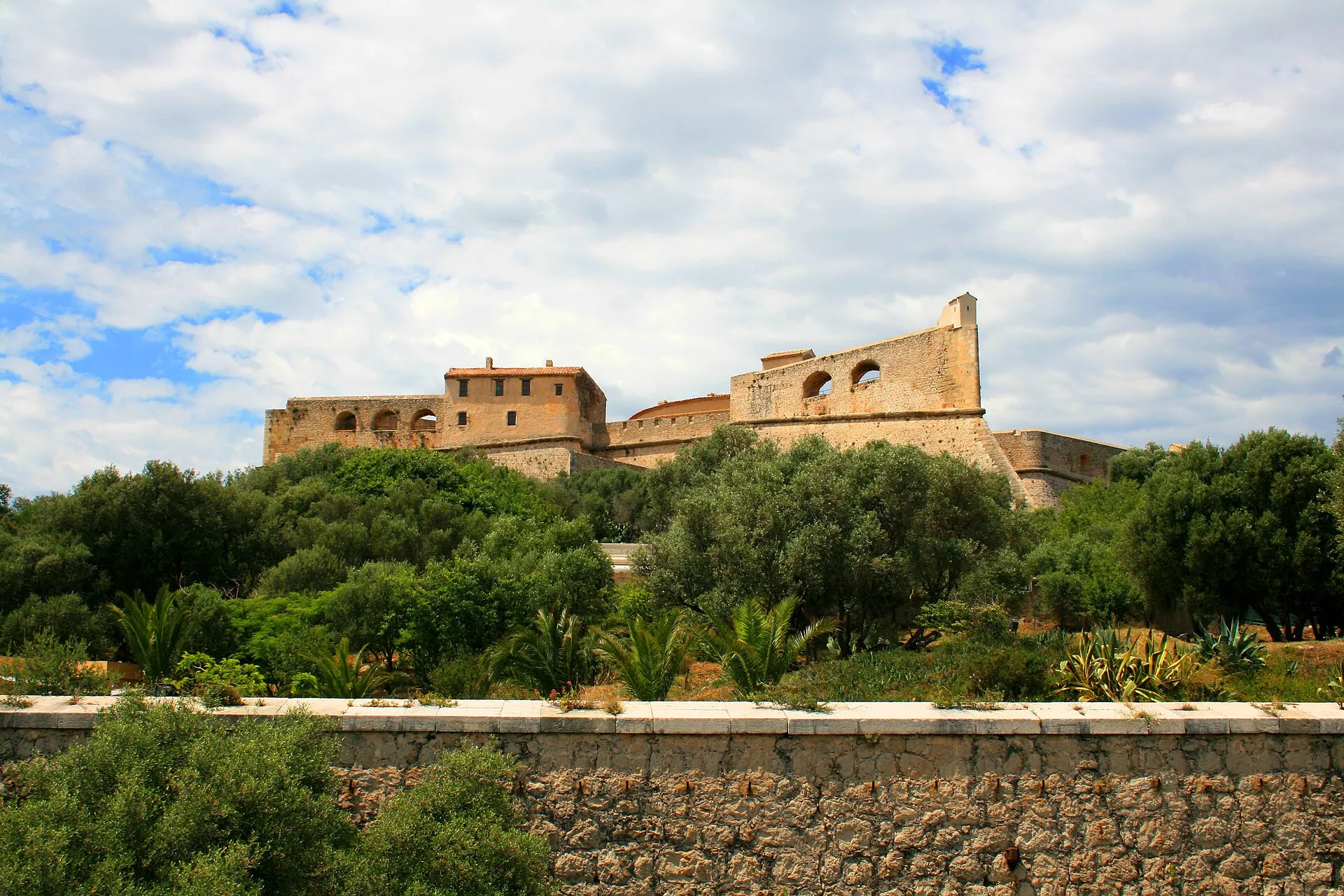
Fort Carré is a star-shaped fort built under King Henri II in the 16th century, one of the first bastioned forts in France. It guarded what was then the border with the County of Nice, which was not part of France until 1860. Vauban reinforced it later, along with the rest of the town’s defences.
Its walkway sits about 43 metres above the sea, and the view takes in the whole port, the old town and, on clear days, the mountains behind Nice. The fort stands in a protected 4-hectare park of Mediterranean scrub and pines.
What to know: the fort is open Tuesday to Sunday, 10:00 to 17:00 from September to June and 10:00 to 18:00 in July and August, with last entry 30 minutes before closing. Full price is €5, reduced €3, and free for under-18s. Some areas can only be visited with a guide, and guided visits are included in the ticket. Check the day’s conditions with the Fort Carré’s official page before you go.
2. Port Vauban
Walk back down and follow the water south toward the old town.
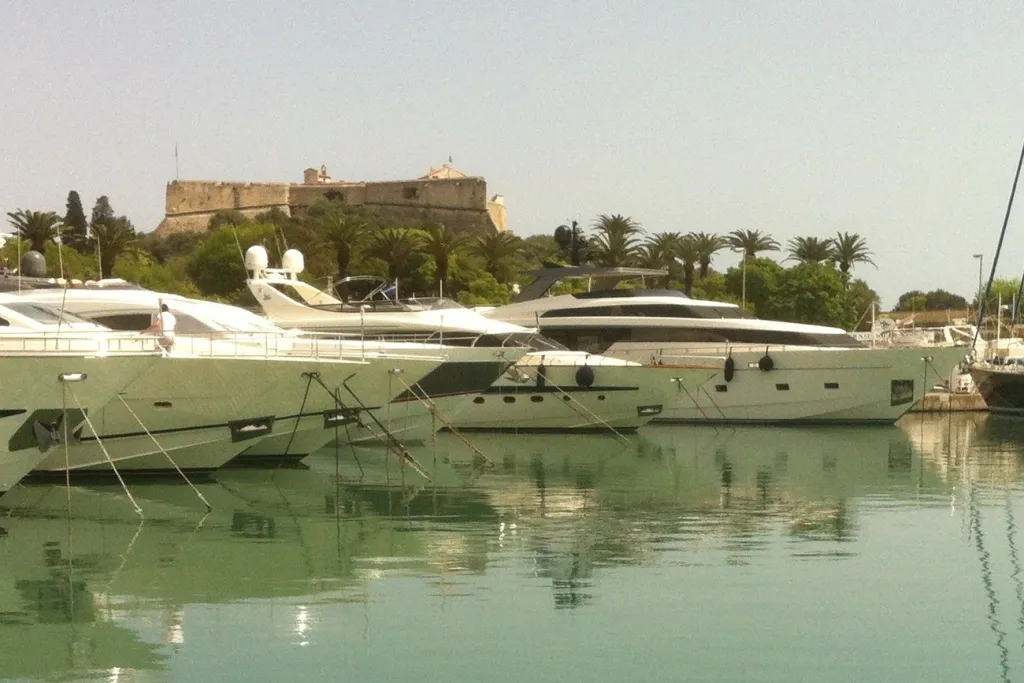
Port Vauban is one of the biggest pleasure ports on the Mediterranean, and it is named after the engineer who fortified the town for Louis XIV. The far side of the harbour is where the largest yachts tie up, along the stretch locals call the Quai des Milliardaires, the billionaires’ quay.
You don’t need to be on a boat to enjoy it. Walk the quays slowly, look at the names and flags on the sterns, and keep the old town’s skyline in front of you: the two square towers you can see are the cathedral’s bell tower and the Château Grimaldi, both stops later on this walk.
3. Nomade on the Bastion Saint-Jaume
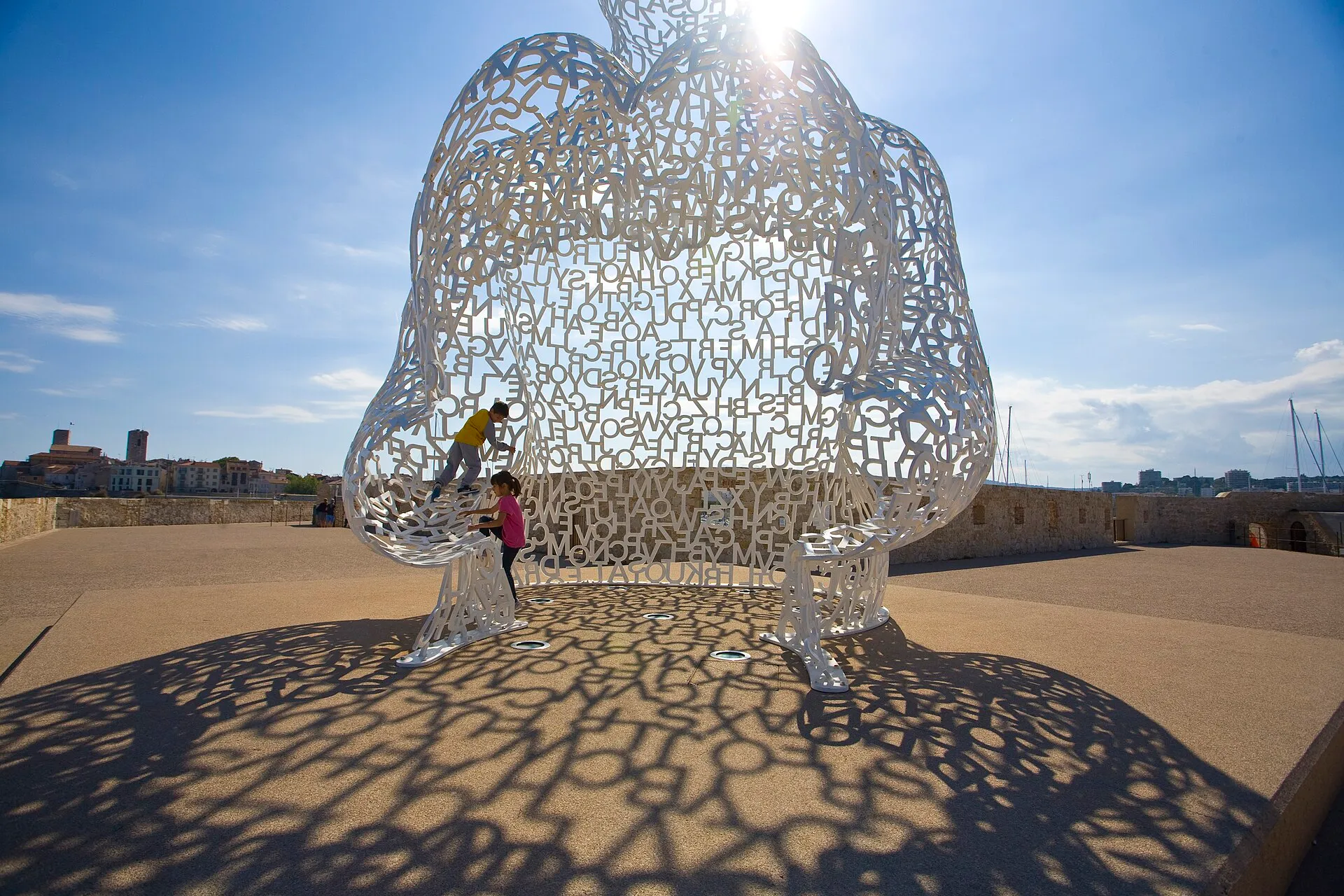
At the end of the quay, the old Bastion Saint-Jaume sticks out into the sea. On top sits Nomade, a sculpture by the Spanish artist Jaume Plensa.
It is a giant seated figure made entirely of white steel letters, facing out to sea with its back to the old town. You can walk inside it, look up through the letters, and watch the shadows they throw across the bastion floor. It’s the most photographed spot in Antibes for a reason, and it works best in the late afternoon when the light comes in low.
4. Plage de la Gravette
Walk back toward the old town and look for the sand just inside the harbour walls.
Plage de la Gravette is a small public beach tucked between the port and the ramparts. The sea wall keeps the water calm, which makes it the easiest swim in town and the obvious place to cool off on a summer walk. It’s free, central and gets busy in July and August, so come early if you want a spot.
Even if you don’t swim, it’s a good place to stop for a few minutes and look back at Fort Carré across the water.
5. Gelateria del Porto
Go through the Porte Marine, the arched sea gate that has led from the port into the old town for centuries. Just inside, on Rue Aubernon, is Gelateria del Porto.
This is the gelato stop on the route, a few steps from the harbour. There is a second Gelateria del Porto a block away on Rue Georges Clemenceau if the first one has a queue. Pick a cone and carry it into the old town. If you’re walking early and it isn’t open yet, swap the order and come back after the market.
6. Marché Provençal
Head south to Cours Masséna, where a covered hall shelters the Marché Provençal.
This is the town’s daily food market: fruit and vegetables from local growers, cheese, charcuterie, olives, spices, soaps and cut flowers. It’s a working market, not a show, and locals still do their shopping here.
What to know: the market runs every morning from 7:30 to 13:00 (13:45 from June to August). From 1 September to 31 May it is closed on Mondays; in June, July and August it is open every day. From mid-afternoon, the same hall hosts an artisans’ market on several days a week. The official schedule is on the Antibes Juan-les-Pins tourist office site.
Come before 11:00 for the full spread. Buy picnic food here and eat it on the ramparts later.

7. Cathédrale Notre-Dame de l’Immaculée-Conception
Two minutes east, the old town’s main church sits right next to the castle.
The cathedral, known for centuries as Notre-Dame-de-la-Platea, stands on the highest point of the old town, where the Greek and Roman settlement of Antipolis once stood. Antibes lost its bishop to Grasse in the 13th century, but the church kept the title of cathedral. Its square bell tower started life as one of the town’s medieval watchtowers.
Step inside if it’s open. The church holds a 16th-century altarpiece attributed to Louis Bréa, the Nice painter whose work fills churches all along this coast. It’s free, cool and quiet, and a good break before the museum.
8. Musée Picasso
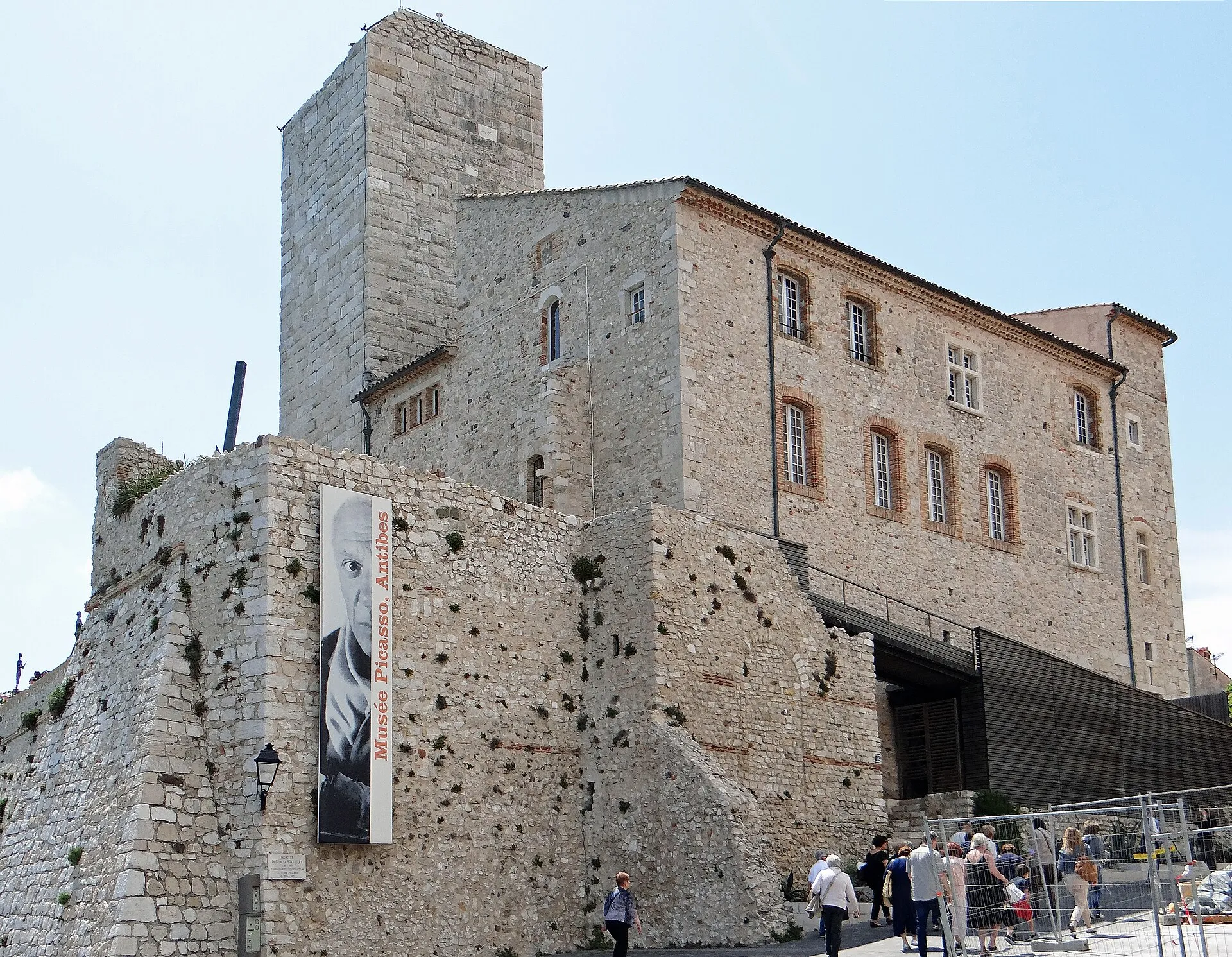
Next door, the Château Grimaldi has looked out over the sea since the Middle Ages. It takes its name from the Grimaldi family, who held it until the early 17th century.
In 1946, the curator offered Pablo Picasso rooms in the castle to use as a studio. He worked there for a few months and left the paintings, drawings and ceramics he made to the town. Today the castle is the Musée Picasso. Alongside Picasso, it shows work by Nicolas de Staël, who lived in Antibes in his last months, and the terrace holds sculptures by Germaine Richier and others, with the sea right below.
What to know: the museum is open Tuesday to Sunday. From 15 June to 15 September it’s open 10:00 to 18:00; the rest of the year it closes for lunch. It’s closed on 1 January, 1 May, 1 November and 25 December. Full price is €12, reduced €8. A combined ticket at €15 covers Fort Carré and the town’s museums for 7 days, which pays for itself if you’re doing both. Check the Musée Picasso’s official page for current hours and exhibitions.
Budget an hour. The terrace alone is worth the ticket.
9. Les Remparts
Leave the museum and walk south along the sea wall.
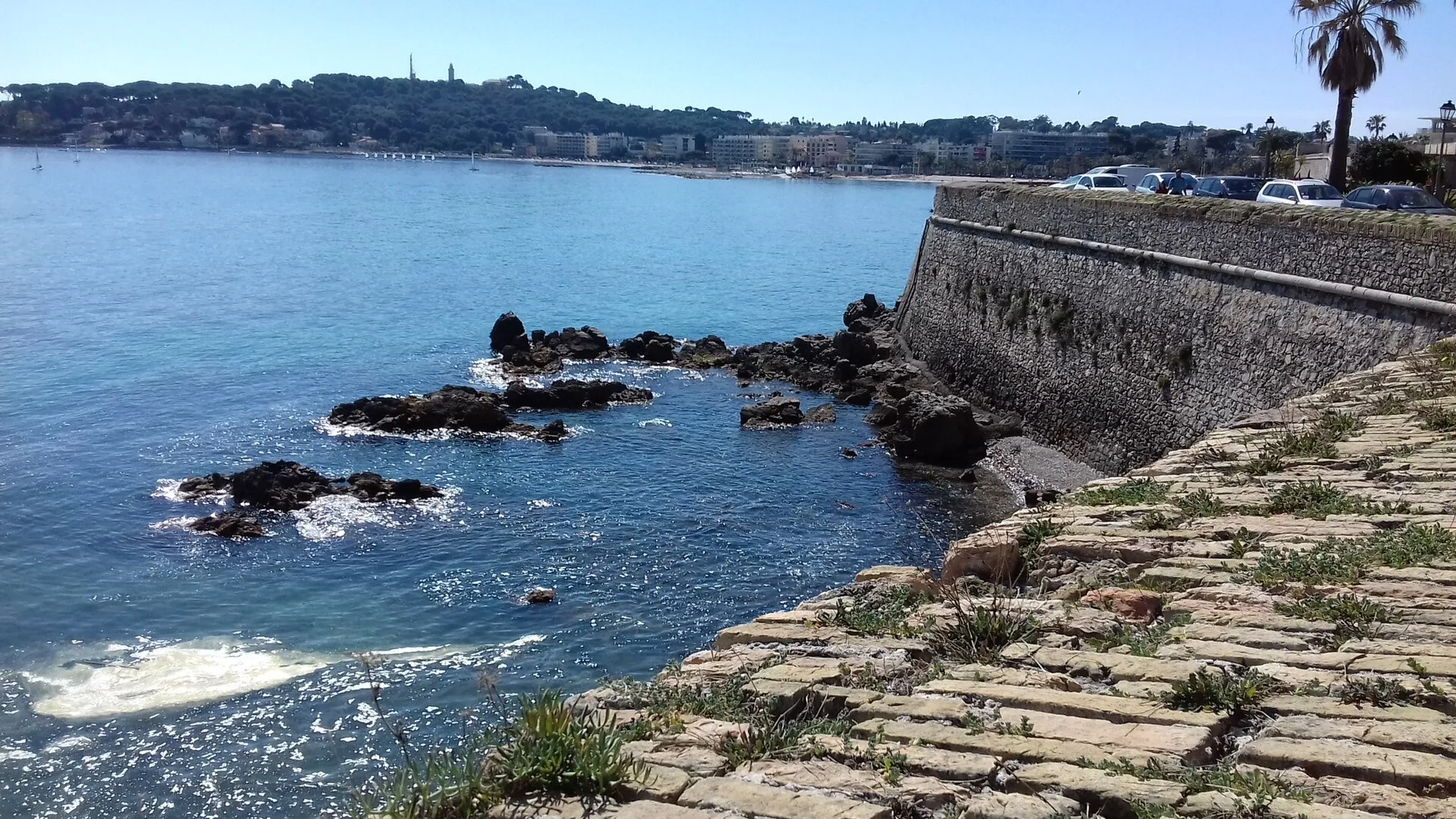
The Promenade Amiral de Grasse runs along the top of the old ramparts, the sea defences Vauban strengthened in the late 17th century. On one side are the walls and the houses of the old town; on the other, open sea and the curve of the coast toward Nice. On clear days, especially in winter and spring, you can see snow on the mountains behind it.
This is the best free view in Antibes and the place for that market picnic. Walk slowly and stop at the gaps in the parapet. The promenade ends near the Bastion Saint-André.
10. Le Safranier
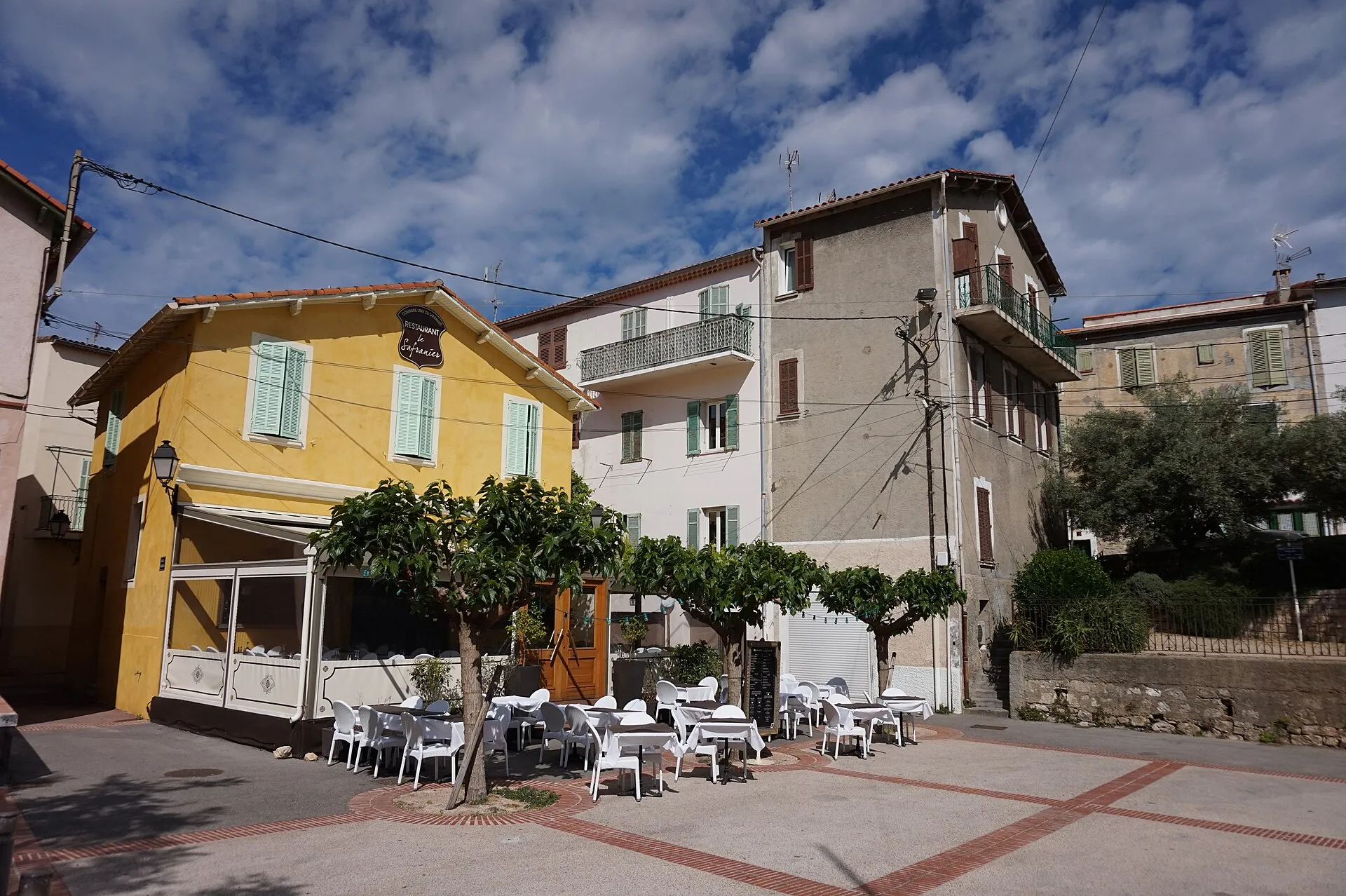
Step back off the ramparts into the lanes behind them, and you’re in Le Safranier.
This small quarter is the quietest part of the old town: narrow streets, stairs, potted plants on every doorstep and laundry over the lanes. Since 1966 it has called itself a “commune libre”, a free commune with its own symbolic mayor and its own neighbourhood festivals. Look for the plaques on the walls.
There’s nothing to buy and nothing to queue for. Just wander, get a little lost and end up on the small Place du Safranier. This is where the walk ends.
Optional Stops
These didn’t make the main route, but they’re worth a detour if you have time.
Musée d’Archéologie
Inside the Bastion Saint-André, at the southern end of the ramparts. It covers Antipolis, the Greek and Roman town under your feet, with finds from land and sea. It’s covered by the same combined ticket as the Musée Picasso and Fort Carré.
Cap d’Antibes coastal path
The Sentier du Littoral around the tip of the Cap d’Antibes is one of the best coastal walks on the Riviera: rocks, pines and clear water. It’s a separate half-day outing, not an add-on to this walk. Bring water and proper shoes.
Juan-les-Pins
On the other side of the cape, with sandy beaches and the pine grove that hosts the town’s jazz festival every July. Easy to reach by bus or a short train ride from Antibes.
What I’d Skip
Every guide tells you what to see. Almost none tell you what’s not worth the trouble. Here’s what I’d walk past.
Driving into the old town. The lanes are narrow, many are pedestrian, and parking near the port fills up fast in summer. Come by train or leave the car at the edge of town and walk in.
The market after noon. It closes at 13:00 (13:45 in summer), and the best stalls start packing up before that. If you arrive late, you’ll mostly see empty tables.
Mondays outside summer. From September to May, the market, the Musée Picasso and Fort Carré are all closed on Mondays. Pick any other day.
Fort Carré in the midday heat of July and August. The climb is short but there’s little shade. Go when it opens, or late in the day.
Restaurant menus with photos on the busiest squares. You’re a few lanes away from better options. Walk one street further before you sit down.
Where to Eat Along the Route
Three ideas, in the order you’ll pass them.
-
Gelateria del Porto (Rue Aubernon, just inside the Porte Marine) for gelato. The reward between the port and the market.
-
Marché Provençal (Cours Masséna) for picnic food. Bread, cheese, olives, tomatoes and fruit from the stalls, eaten on the ramparts with the sea below.
-
The cafés around Place Nationale and Cours Masséna for coffee or lunch. The old town’s main squares, a few steps off the route.
Practical Tips
Best Time of Day
Mornings, Tuesday to Sunday. The market runs until 13:00 and the museums and fort open at 10:00. In summer, the late afternoon light on the ramparts and Nomade is worth waiting for.
Best Season
Spring (April to June) and September to October are ideal: warm, bright and less crowded. July and August are hot and busy, but the market runs every day and the museum opens late on some summer evenings. Winter is quiet and often clear, with the best views of the mountains.
Rain Plan
The Musée Picasso, the cathedral and the covered market hall all work as rain breaks, and so does the Musée d’Archéologie. Skip the fort and the ramparts if it’s stormy; Fort Carré can close without notice in bad weather.
Accessibility
The quays and Cours Masséna are flat. The climb to Fort Carré, the stairs and slopes in Le Safranier, and some old paving in the lanes are harder going for wheelchairs and strollers. The tourist office lists accessible visits for the museums on its site.
With Kids
Nomade is the stop kids remember: they can walk inside it. Plage de la Gravette is the easiest swim in town, and the fort is free for under-18s. The market is good for snacks.
Getting There from Nice or Cannes
Take the train. Regional TER trains run along the coast and stop at Antibes station; the ride is short from both Nice and Cannes. From the station, walk down to the port in about ten minutes and start at Fort Carré, or go straight into the old town and do the walk in reverse.
What to Wear
Comfortable shoes with grip: the old town has stone paving and stairs, and the fort sits on a rock. A hat and water in summer, as several stretches are in full sun.
Restrooms
Public restrooms are limited in the old town. The Musée Picasso and Fort Carré have facilities for visitors, and the cafés on the main squares will usually let customers use theirs.
Take This Walk with Audio
You’ve got the route. You know the stops. But reading about a place and hearing its story while you’re standing in it are two different things.
Escapade turns walks like this into audio stories that play as you reach each place: the history, the context, and the details that don’t fit in a blog post.
Go at your own pace, skip stops, reorder them. No group to keep up with, no schedule to follow. Just you, your headphones and the street.
Free to download. Take Escapade’s audio walks with you.
Take Escapade’s audio walks with you →
Nearby on the French Riviera
Juan-les-Pins is just across the Cap d’Antibes, with sandy beaches and summer jazz. Cannes is a short train ride west, Nice a little further east. Inland, Biot, known for its glassblowers, and the hill village of Saint-Paul-de-Vence both make easy half-day trips. Antibes is a natural base for a French Riviera itinerary because it sits right in the middle of the coast.
Frequently Asked Questions
What are the best things to do in Antibes?
Climb to Fort Carré, walk the quays of Port Vauban, see Nomade on the Bastion Saint-Jaume, shop the Marché Provençal, visit the Musée Picasso in the Château Grimaldi, walk the ramparts and get lost in Le Safranier. All of them are on this walk.
Is Antibes old town walkable?
Yes. The old town is small and mostly pedestrian, and every stop on this route is within walking distance of the next. The whole walk is ~4 km (2.5 miles), with one short climb up to Fort Carré.
How long do you need in Antibes?
One full day covers the old town, the market and the Musée Picasso comfortably. The walk itself takes 3–4 hours with stops. Add a second day for the Cap d’Antibes coastal path or the beaches of Juan-les-Pins.
What day is the market in Antibes?
The Marché Provençal on Cours Masséna runs every morning from 7:30 to 13:00. From September to May it’s closed on Mondays; in June, July and August it’s open every day, until 13:45.
How do I get to Antibes from Nice or Cannes?
By train. Regional TER trains on the coast line stop at Antibes, and the ride from either Nice or Cannes is short. The station is about a ten-minute walk from the port and old town.
Is there a free walking tour of Antibes?
This guide is a free self-guided walking tour of Antibes old town: 10 stops in walking order, which you can start whenever you like. The tourist office also lists guided visits on its official site.
Is the Musée Picasso in Antibes worth it?
Yes, if you have an hour. The collection is tied to the building, because Picasso worked in these rooms in 1946, and the terrace over the sea is one of the best spots in town. It’s closed on Mondays.
Can I do Antibes and Cannes or Nice in one day?
Yes. Do this walk in the morning while the market is on, then take the train to Cannes or Nice in the afternoon. Budget a full day.